What Are Peptides?
A simple explanation of what peptides are, how they work, and why they matter in research
A Basic Science Explanation
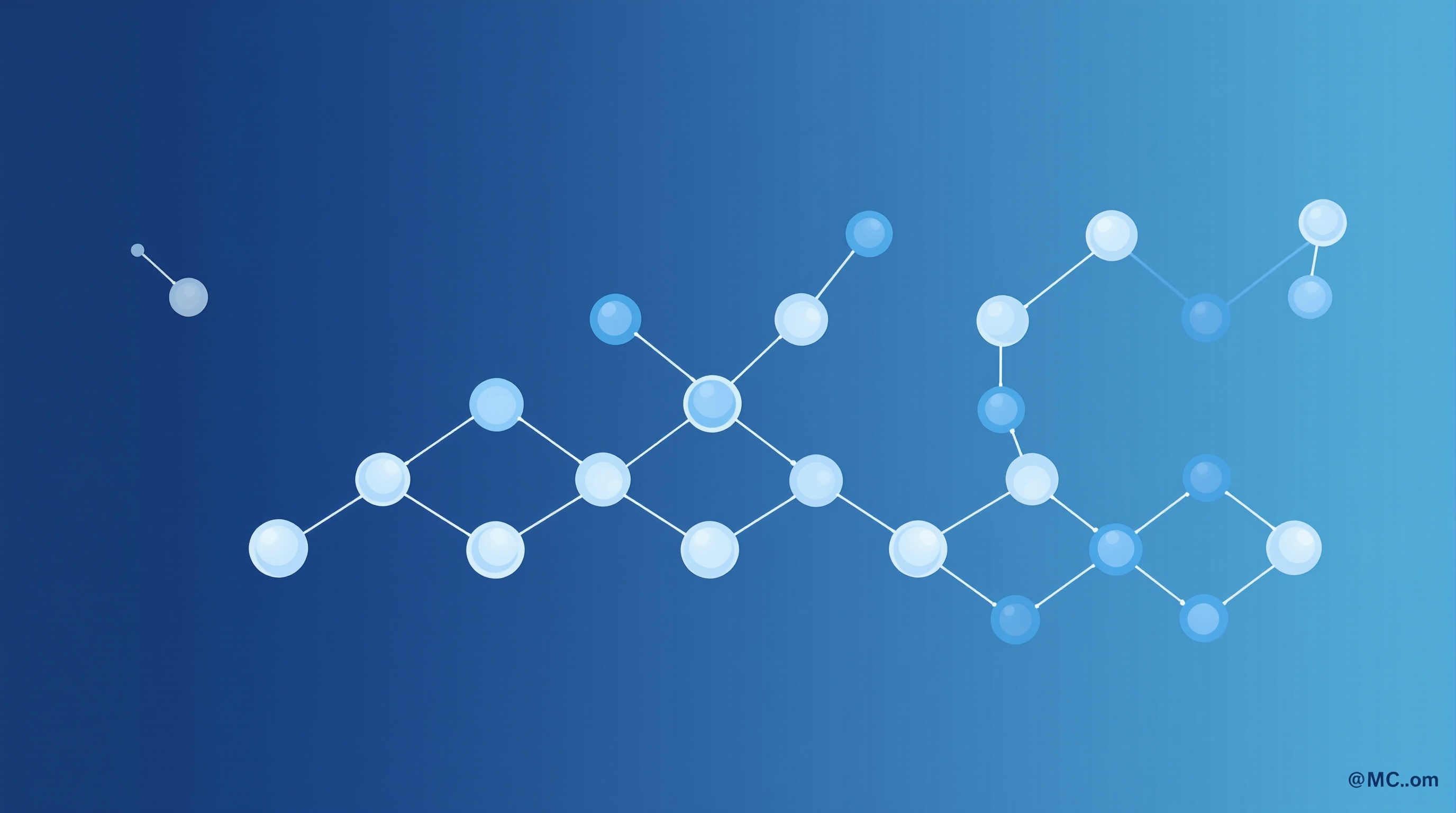
At its core, a peptide is a short chain of amino acids linked together. Think of amino acids as tiny building blocks. When you string a few of these blocks together, you get a peptide. If you string a whole lot of them together (usually 50 or more), you get a protein.
So, peptides are like smaller, simpler versions of proteins. This difference in size is the main distinction between the two.
The Key Difference:
- Peptides: Short chains, typically 2-50 amino acids
- Proteins: Long, complex chains, 50+ amino acids, often folded into specific 3D shapes
Why Are They Used in Research?
Because of their smaller size, peptides can be easier for the body to absorb and use. They are also highly specific. A particular peptide can be designed to send a very precise signal in the body, acting like a key that fits into a specific lock (a receptor on a cell).
This makes them valuable tools in research for understanding and potentially influencing biological processes with great accuracy. Unlike large protein drugs that can affect multiple systems, peptides can target very specific pathways.
Key Advantages of Peptides:
- •High specificity: Target exact biological pathways
- •Better absorption: Smaller size aids bioavailability
- •Precise signaling: Act as targeted molecular messengers
- •Research flexibility: Can be synthesized and modified for specific studies
Basic Categories of Peptides
Peptides are incredibly diverse and can be categorized by their function. Here are some common types:
Signaling Peptides
These act as messengers, carrying signals from one part of the body to another. Many hormones, like insulin, are peptides that send important signals to cells.
Neuropeptides
These are active in the brain and nervous system, influencing things like mood, pain perception, and behavior. They play critical roles in neural communication.
Antimicrobial Peptides
These are part of the body's innate immune response and can help fight off bacteria and other microbes. They're an important part of our natural defenses.
Growth Factor Peptides
These signal cells to grow, divide, and heal. They're crucial in development, wound healing, and tissue regeneration processes.
How Do They Work in the Body?
Peptides work by binding to receptors on the surface of cells. When a peptide binds to its specific receptor, it triggers a response inside the cell. This is like a key turning in a lock to open a door.
The "door" could be any number of actions, such as:
Activating Enzymes
Triggering specific enzymes to perform their functions, like breaking down molecules or building new ones
Gene Expression
Sending signals to the cell's nucleus to produce certain proteins needed for specific functions
Channel Control
Opening or closing channels to let substances in or out of the cell, regulating cellular environment
By mimicking the body's own signaling molecules, research peptides can be used to study and modulate these processes with high precision. This is why they're so valuable in scientific research.