BAC Water Explained
Everything you need to know about bacteriostatic water: what it is, why it matters, and how to use it safely
What is Bacteriostatic Water?
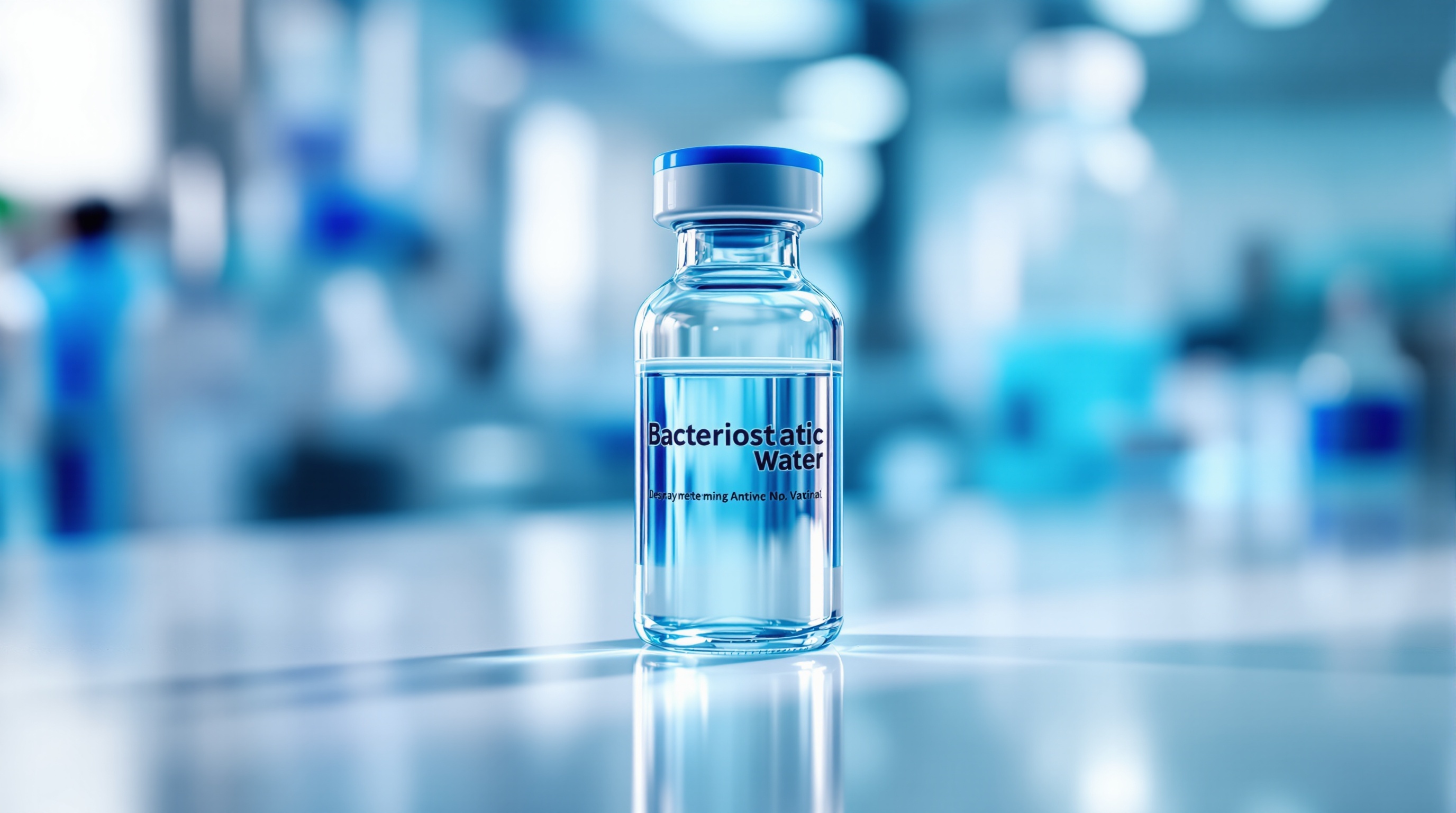
Bacteriostatic Water (BAC Water) is sterile water that contains a small amount of a preservative: 0.9% benzyl alcohol.
Two Key Components:
- •Sterile Water: It's free from any microorganisms, ensuring a clean starting point.
- •Bacteriostatic Agent (Benzyl Alcohol): This is the key ingredient. It doesn't necessarily kill all bacteria, but it prevents them from growing and multiplying.
The term "bacteriostatic" literally means "bacteria-stopping." The benzyl alcohol creates an environment where bacteria cannot reproduce, keeping your reconstituted solution safe for multiple uses over time.
Why Use It for Reconstituting Peptides?
The reason is safety and stability, especially for vials that will be used more than once.
When you puncture the rubber stopper of a peptide vial with a syringe, you create a tiny hole. This hole can introduce bacteria from the air or the stopper surface into the vial, even with proper technique.
With Regular Sterile Water
If you use plain sterile water (which has no preservative), any bacteria that get inside can multiply freely. The peptide solution can quickly become contaminated and unsafe to use after just a few days.
With Bacteriostatic Water
The benzyl alcohol preservative stops any introduced bacteria in their tracks, keeping the solution sterile and safe for multiple uses for up to 28 days when refrigerated.
💡 Why This Matters:
Most peptide vials will be used multiple times over several days or weeks. Each time you insert a needle, you risk introducing bacteria. BAC water ensures each dose remains sterile and safe throughout the vial's use period.
Proper Storage Guidelines
Proper handling and storage are crucial to maintain the integrity of your reconstituted peptide.
Unopened BAC Water
- • Can be stored at room temperature
- • Good until expiration date on vial
- • Keep in original sealed container
- • Store away from direct sunlight
Opened BAC Water
- • Refrigerate after first use
- • Good for up to 28 days
- • Mark date opened on vial
- • Discard after 28 days
Reconstituted Peptide
- • Must be refrigerated
- • Use within 28 days
- • Label with date and concentration
- • Never freeze
⚠️ Critical Storage Rule:
Once you mix BAC water with peptide powder, the vial MUST be refrigerated at all times. Room temperature storage will rapidly degrade the peptide, rendering it ineffective. Write the reconstitution date on the vial label immediately!
Shelf Life Considerations
A reconstituted vial of peptide mixed with BAC water is typically considered stable and safe to use for up to 28 days when properly refrigerated.
Why the 28-day limit?
- 1Preservative effectiveness: After 28 days, the benzyl alcohol's ability to prevent bacterial growth diminishes.
- 2Peptide degradation: Even when refrigerated, peptides slowly break down over time in solution.
- 3Safety margin: The 28-day guideline provides a conservative safety buffer for sterility and potency.
❌ Do Not Use If:
- • The solution has been at room temperature for extended periods
- • More than 28 days have passed since reconstitution
- • The solution appears cloudy or has particles floating in it
- • The vial shows any signs of contamination
- • You're unsure when it was reconstituted (always label your vials!)
Why It's Important for Peptide Stability
Using BAC water is a fundamental step in ensuring the stability, safety, and effectiveness of research peptides.
Benefits of BAC Water:
- • Prevents bacterial contamination between uses
- • Extends safe usage period to 28 days
- • Maintains peptide stability in solution
- • Reduces waste (no need to discard after single use)
- • Industry standard for peptide reconstitution
Best Practices:
- • Always use alcohol swabs on vial stoppers before inserting needle
- • Use sterile syringes and needles
- • Refrigerate immediately after reconstitution
- • Label vials with date and concentration
- • Never reuse needles or syringes
Common Questions About BAC Water
Q: Can I use regular sterile water instead?
Not recommended for multi-dose vials. Regular sterile water lacks the preservative needed to prevent bacterial growth after the vial is punctured. If you must use sterile water, the vial should ideally be used within 24 hours and discarded.
Q: Where can I get BAC water?
BAC water is available from research chemical suppliers, some pharmacies (with or without prescription depending on location), and online peptide suppliers. Always verify you're getting pharmaceutical-grade bacteriostatic water with 0.9% benzyl alcohol.
Q: Can I make my own BAC water?
Not recommended. Creating properly sterile bacteriostatic water requires precise measurements, pharmaceutical-grade ingredients, and sterile technique. The risk of contamination or incorrect concentration is too high. Always purchase from reputable sources.
Q: What if my peptide vial says to use sterile water?
Some peptides come with specific reconstitution instructions. Always follow the manufacturer's guidance. However, for most research peptides intended for multiple uses, BAC water is the standard and safest choice.
Ready to Calculate Your Reconstitution?
Now that you understand BAC water, use our calculator to figure out exactly how much to add to your peptide vial.
Try Reconstitution Calculator